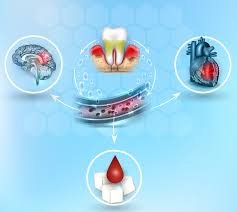
The dentary, more commonly known as the mandible or lower jawbone, plays a critical role in chewing, speaking, and facial structure. Because of its central function, any disorder affecting the dentary can lead to pain, difficulty in daily activities, and long-term oral health problems. Understanding common dentary disorders and their treatments is key to maintaining a healthy smile and quality of life.
Common Dentary Disorders
1. Mandibular Fractures (Jaw Fractures)
-
Cause: Trauma from accidents, sports injuries, or falls.
-
Symptoms: Swelling, bruising, pain while chewing, misaligned bite, or inability to open/close the mouth.
-
Treatment: Depending on severity, treatments range from wiring the jaw shut to surgical fixation with plates and screws.
2. Temporomandibular Joint Disorders (TMJ or TMD)
-
Cause: Stress, teeth grinding (bruxism), arthritis, or jaw misalignment.
-
Symptoms: Jaw pain, clicking or popping sounds, headaches, difficulty opening/closing the mouth.
-
Treatment: Lifestyle changes (stress reduction, avoiding hard foods), physical therapy, dental splints, medications, or in severe cases, surgery.
3. Mandibular Osteomyelitis (Bone Infection)
-
Cause: Untreated dental infections, trauma, or surgery that allows bacteria to spread into the jawbone.
-
Symptoms: Severe pain, swelling, pus discharge, fever, and bone destruction.
-
Treatment: Antibiotics, surgical removal of infected tissue, and in chronic cases, bone grafting.
4. Mandibular Tumors and Cysts
-
Cause: Abnormal cell growth, often linked to genetics, infection, or other oral diseases.
-
Symptoms: Swelling, asymmetry in the jaw, numbness, or persistent pain.
-
Treatment: Surgical removal of tumors or cysts, sometimes combined with reconstructive surgery to restore function and appearance.
5. Developmental and Congenital Disorders
-
Examples: Micrognathia (small jaw), prognathism (protruding jaw), and jaw asymmetry.
-
Cause: Genetic conditions or developmental issues.
-
Symptoms: Misaligned teeth, difficulty chewing, speech problems, and aesthetic concerns.
-
Treatment: Orthodontics, orthognathic (jaw) surgery, or a combination of both to improve function and appearance.
Modern Treatment Approaches
-
Orthognathic Surgery – Surgical correction of jaw deformities to restore function and symmetry.
-
Dental Implants & Prosthetics – To replace missing teeth and maintain jawbone health.
-
Bone Grafting – Restores lost bone from trauma, infection, or congenital issues.
-
3D Imaging & Digital Surgery Planning – Ensures precise diagnosis and minimally invasive treatment.
-
Physical Therapy & Rehabilitation – Helps patients regain normal jaw movement after surgery or injury.
Maintaining Dentary Health
-
Practice good oral hygiene to prevent infections.
-
Use mouthguards during sports to protect against fractures.
-
Manage stress to reduce teeth grinding.
-
Schedule regular dental check-ups for early detection of problems.
Final Thoughts
The dentary is more than just a bone — it’s central to your ability to chew, speak, and smile confidently. From fractures and infections to developmental conditions, dentary disorders can significantly affect your health and daily life. Fortunately, modern dentistry and surgical techniques provide effective treatments that restore both function and aesthetics.
If you notice persistent jaw pain, swelling, or misalignment, consult a dental or maxillofacial specialist promptly — early treatment can prevent complications and preserve your smile.