
Maintaining good oral hygiene is essential for a healthy smile—and it all starts with the right brushing and flossing techniques. Whether you’re a child just learning or an adult looking to improve your routine, this guide will walk you through the steps with easy-to-follow instructions and visuals.
✅ Why Brushing and Flossing Matters
Brushing and flossing daily:
-
Removes plaque and food particles
-
Prevents cavities and gum disease
-
Keeps your breath fresh
-
Helps you avoid expensive dental procedures
🦷 How to Brush Your Teeth Properly
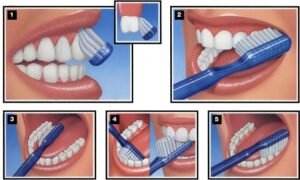
-
Use the Right Tools
Choose a soft-bristled toothbrush and a fluoride toothpaste. Electric brushes are also effective if used correctly. -
Angle Your Brush
Hold the toothbrush at a 45-degree angle toward your gums. -
Brush Gently in Circles
Use small, circular motions on each tooth surface—don’t scrub harshly. -
Cover All Areas
-
Outer surfaces
-
Inner surfaces
-
Chewing surfaces
-
Don’t forget your tongue to reduce bacteria and bad breath!
-
-
Time It Right
Brush for 2 minutes, twice a day.
⏱️ Tip: Use a timer or play your favorite 2-minute song while brushing!
🧵 How to Floss Properly
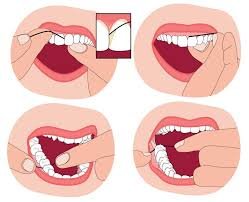
-
Take Enough Floss
Use about 18 inches (45 cm) of dental floss. Wind most around your middle fingers, leaving about 1-2 inches to work with. -
Guide the Floss
Gently slide it between your teeth using a back-and-forth motion. -
Form a “C” Shape
Curve the floss around each tooth and gently slide it under the gumline. -
Use a Clean Section
Move to a clean part of the floss as you go to the next tooth.
💡 Try floss picks or water flossers if traditional floss is tricky.
🪩 Common Mistakes to Avoid
-
Brushing too hard (can cause gum recession)
-
Not brushing long enough
-
Skipping flossing
-
Using old or worn toothbrushes
-
Rinsing immediately after brushing (wait 30 minutes if possible)